The Craft of Glass Packaging: Transforming Your Brand Through Premium Glass Bottles
The art of glass packaging provides brands with an exceptional opportunity for distinction. Via eco-friendly approaches, glass bottles improve aesthetic presentation while resonating with environmentally aware consumers. Their natural characteristics, such as recyclability and chemical inertness, demonstrate a steadfast commitment to excellence. As brands navigate this evolving landscape, comprehending the wide-ranging benefits and complexities of glass packaging proves vital for enduring achievement. What forward-thinking methods are companies adopting to fully harness these opportunities?
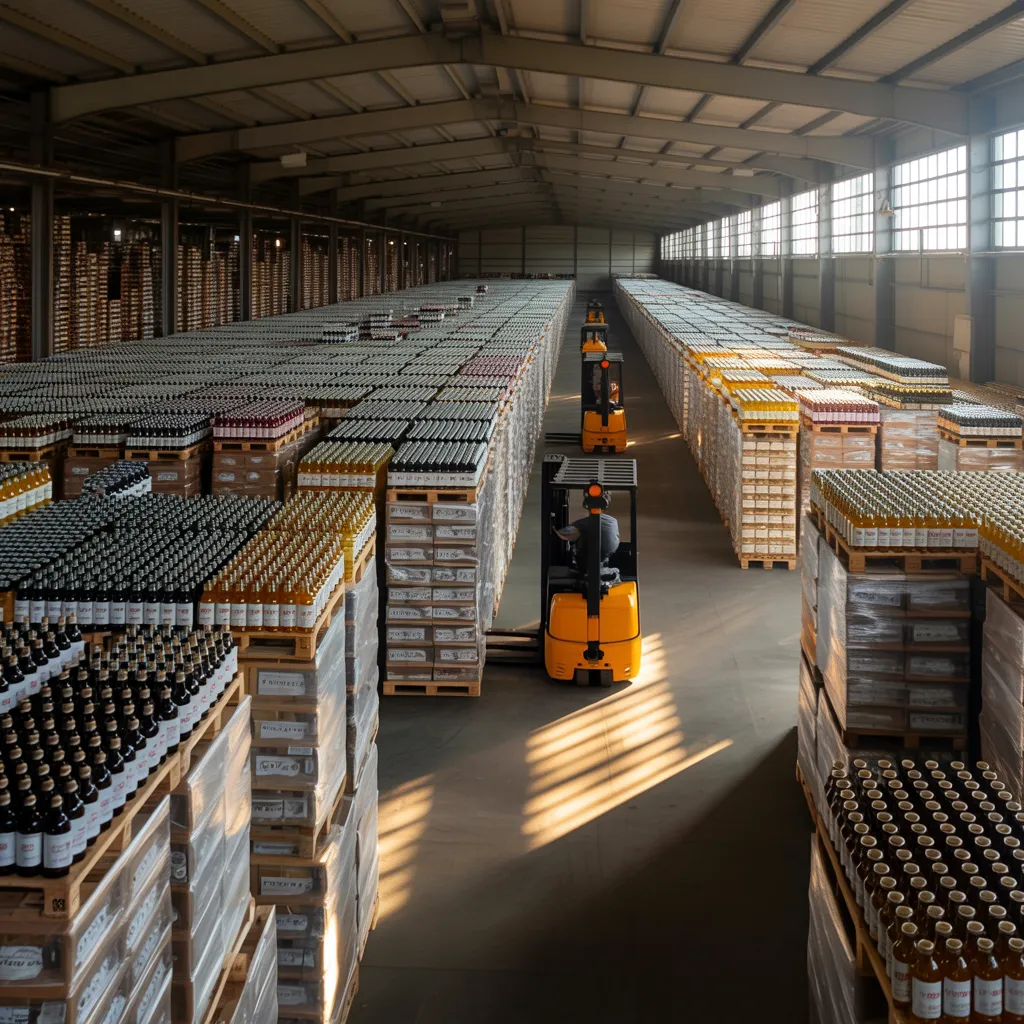
The Benefits of Choosing Glass Packaging for Your Brand
Opting for glass packaging can considerably elevate a brand's overall perception and sustainability efforts. Companies that choose glass packaging demonstrate a dedication to excellence and premium experiences, appealing to discerning consumers who appreciate aesthetic and functional attributes. Glass offers a enduring and sophisticated look, contributing to a brand's visual identity while delivering a physical interaction that synthetic materials fail to replicate.
In addition, glass containers project an image of wholesomeness and reliability, as it is absent of dangerous compounds frequently associated with plastic packaging. This choice can attract eco-aware shoppers who identify glass with sustainable behavior. Furthermore, its durability allows for repeat use, thus solidifying a brand's pledge to environmental responsibility.
In an industry growing more conscious of environmental impact, embracing glass packaging solutions can distinguish a brand building consumer loyalty and strengthening brand trust. At its core, this deliberate decision positions brands as leaders in eco-conscious innovation and quality, reflecting contemporary consumer expectations.
The Environmental Advantages of Glass Bottles
Glass containers provide substantial environmental benefits that set them apart from other packaging materials. They are 100% recyclable, contributing to a closed-loop economy where resources can be continuously repurposed without loss of quality. This property significantly minimizes the reliance on new materials, thus reducing natural resource extraction and energy expenditure associated with production.
Additionally, glass packaging is non-reactive, meaning it does not leach toxic substances into its contents, ensuring safer consumption. In contrast to plastic, glass does not promote microplastic pollution, which is a rising environmental issue.
The production of glass bottles similarly results in reduced greenhouse gas emissions when compared to plastic. With advancements in manufacturing processes, energy efficiency has improved, additionally minimizing the carbon footprint associated with glass production.
Innovative Designs That Enhance Glass Packaging
Creative designs in glass containers are reshaping how products are perceived. Distinctive forms and designs not only boost practicality but also attract consumer attention. Moreover, vibrant color schemes further elevate the aesthetic appeal, making glass packaging stand out on shelves.
Remarkable Shapes and Structures
Groundbreaking solutions in glass-based packaging not only enhance aesthetic appeal but also act as a key factor in setting brands apart. Original shapes and configurations can generate lasting impressions on consumers, making products stand out on busy retail displays. For example, irregularly shaped bottles or angular designs can inspire intrigue and promote exploration. These unconventional forms often complement a brand's character, strengthening its core principles and vision. Beyond that, distinct shapes can improve functionality, including better grip or improved dispensing. Companies that prioritize innovative glass packaging project a strong focus on superior quality and green practices, engaging environmentally responsible shoppers. When focusing on distinctiveness in their packaging designs, brands can cultivate more meaningful relationships with consumers, consequently strengthening customer commitment and improving market positioning.
Eye-Catching Color Palettes
Vibrant color palettes serve a vital function in elevating glass packaging design, converting standard bottles into captivating visual expressions. By utilizing a deliberate combination of shades, businesses can inspire sentiment and deliver unforgettable moments for buyers. Vivid hues can communicate exceptional value, while softer tones may convey delicacy and sophistication.
Additionally, the incorporation of gradients and multi-toned designs brings depth and sophistication, drawing attention on crowded shelves. Sustainability-driven practices further elevate the attractiveness; eco-friendly dyes and finishes resonate with conscious consumers. Ultimately, the ideal color palette not only reflects a brand's identity but also reinforces its commitment to sustainability, making glass packaging a powerful tool for differentiation in a competitive market.
How Does Glass Packaging Enhance Product Perception?
Glass packaging markedly enhances product perception with its premium aesthetic and tactile quality, instilling a sense of elegance in consumers. The inherent transparency and optical clarity of glass provide a clear and unimpeded view of the contents, solidifying the product's quality appeal. Additionally, using glass aligns with eco-friendly brand positioning, appealing to environmentally conscious consumers.
Premium Feel And Appeal
The use of glass packaging significantly enhances the recognized quality of a product, commonly connecting it with quality and refinement. Buyers commonly connect glass with premium quality, resulting in improved brand commitment and positive consumer experiences. The sensory quality of glass, with its sleek finish and substance, contributes to a high-end impression that plastic cannot replicate. This sensory engagement establishes a bond between the product and the consumer, cultivating a sense of excellence. Moreover, glass packaging conveys a commitment to sustainability, attracting sustainability-minded customers. Therefore, businesses employing glass containers can present themselves as superior choices within their markets, appealing to thoughtful consumers who appreciate both style and sustainability in their buying choices.
Visual Transparency And Clarity
When shoppers come across products in glass vessels, their experience is commonly improved by the inherent visual transparency and clarity it provides. This transparency allows potential buyers to see the product inside, creating an atmosphere of reliability and credibility. The see-through nature of glass not only reveals the product's caliber but also accentuates its color and feel, elevating the overall visual experience. Moreover, the removal of labeling interference on clear glass enables the product to stand at the forefront, creating a more engaging shopping experience. Glass vessels can uplift brand standing by expressing a devotion to quality and skill. This transparency ultimately shapes buyer choices, encouraging a deeper emotional connection with the product and the brand.
Environmentally Conscious Brand Positioning
Environmentally aware brands employ glass containers to reinforce their commitment to sustainability, effectively enhancing product perception. Glass conveys a sense of quality and purity, establishing a superior benchmark against plastic options. This medium not only highlights the environmental principles of a brand but also resonates with shoppers who value eco-conscious decisions. The tactile experience of glass—its weight and texture—further elevates the perceived value of the product. Additionally, the recyclability of glass aligns with the growing consumer demand for sustainable practices, fostering brand loyalty. By choosing glass, brands not only showcase their dedication to the environment but also establish their products as high-end choices, thus building a favorable reputation in a crowded market.
Success Stories of Brands Using Glass Packaging
Many companies are flourishing by embracing glass packaging, highlighting its attractiveness to buyers and pledge to sustainable practices. To illustrate, a well-known beverage company transitioned to glass bottles, producing a 30% increase in sales within a year. The change not only enhanced product visibility on shelves but also resonated with eco-conscious consumers, solidifying the brand's sustainability message.
One other cosmetic company made a successful switch to glass vessels, greatly elevating its premium image. This shift brought in a dedicated clientele that values both visual appeal and eco-conscious practices. Moreover, a specialty beer manufacturer adopted reusable glass growlers, cultivating consumer trust and decreasing environmental impact. These examples demonstrate that glass materials not only fulfill consumer demands for eco-friendly alternatives but also strengthens brand recognition and competitive standing. Such strategic choices highlight an emerging pattern among brands aiming to align their operations with sustainable practices while resonating with contemporary buyers.
Ways to Tackle Challenges in Glass Packaging
Managing the challenges of glass packaging demands creative approaches and a keen understanding of the market. Companies often face challenges such as elevated manufacturing expenses, weight-related challenges, and structural vulnerability. To tackle these, companies can implement innovative fabrication processes that lower waste output and boost structural resilience. Collaborating with suppliers to obtain eco-friendly materials also reduces ecological footprint while attracting environmentally conscious consumers.
A further difficulty involves transportation logistics, given glass's weight. Adopting intelligent logistics strategies, such as refined shipping techniques and innovative packaging designs, can help minimize costs and guarantee product safety during transit. Furthermore, educating consumers on the benefits of glass over plastic may cultivate customer loyalty and boost market demand. By implementing these methods, organizations can address hurdles in glass packaging and distinguish themselves as innovators in eco-friendly practices, thereby strengthening their brand reputation and market standing.
Emerging Trends in Sustainable Glass Packaging
As the need for eco-friendly packaging keeps growing, the glass packaging industry is on the brink of significant transformation. Advancements in production methods are anticipated to improve energy performance, reducing the carbon footprint associated with glass production. Furthermore, the rise of lightweight glass bottle usage will become a defining trend, lowering transit emissions while upholding product standards.
Recycling programs will grow increasingly strong, with increased collaboration between manufacturers and municipalities to enhance the collection and processing of glass. Moreover, the embedding of advanced technology in packaging solutions will facilitate improved clarity throughout the supply chain, allowing businesses to demonstrate their green initiatives with greater effectiveness.
The rising consumer appetite for environmentally conscious products will continue to fuel the growth of personalized, attractive design solutions, blending practicality with aesthetic charm. As companies increasingly embrace sustainable practices, the glass packaging sector is set to redefine its approach, harmonizing with global sustainability targets while fulfilling the needs of an eco-conscious audience.
Common Questions and Answers
What Are the Costs Involved With Glass Packaging as Opposed to Plastic?
Glass packaging commonly involves higher costs due to manufacturing, shipping, and recycling requirements compared to plastic. That said, it delivers sustainability benefits and enhanced brand perception, making it a worthwhile investment for certain companies.
How Can I Customize Glass Bottles for My Brand?
Companies have the ability to tailor glass bottles by using unique shapes, colors, and finishes. Custom labels, engravings, and printed artwork enhance brand recognition. Partnering with vendors secures adherence to eco-friendly initiatives all while preserving aesthetic appeal and functionality.
Are There Particular Rules Governing Glass Packaging?
Certainly, dedicated regulations for glass packaging have been established, differing across regions. These include safety standards, labeling requirements, and recycling guidelines, guaranteeing consumer safety and environmental responsibility while encouraging sustainable practices in packaging manufacturing and distribution.
What Are the Top Best Practices for Recycling Glass Bottles?
For effective glass bottle recycling, residents should wash them thoroughly to clear out any remaining contents, detach any lids or caps, and sort by color. Furthermore, they should review community recycling rules for designated drop-off sites to ensure correct handling and processing.
What Is the Effect of Glass Packaging on Shipping and Logistics?
Glass packaging considerably affects shipping and logistics by adding weight and fragility, demanding meticulous handling and dedicated transportation additional resource methods. This often leads to increased expenses and more complicated supply chain operations compared to lighter, more durable materials.